
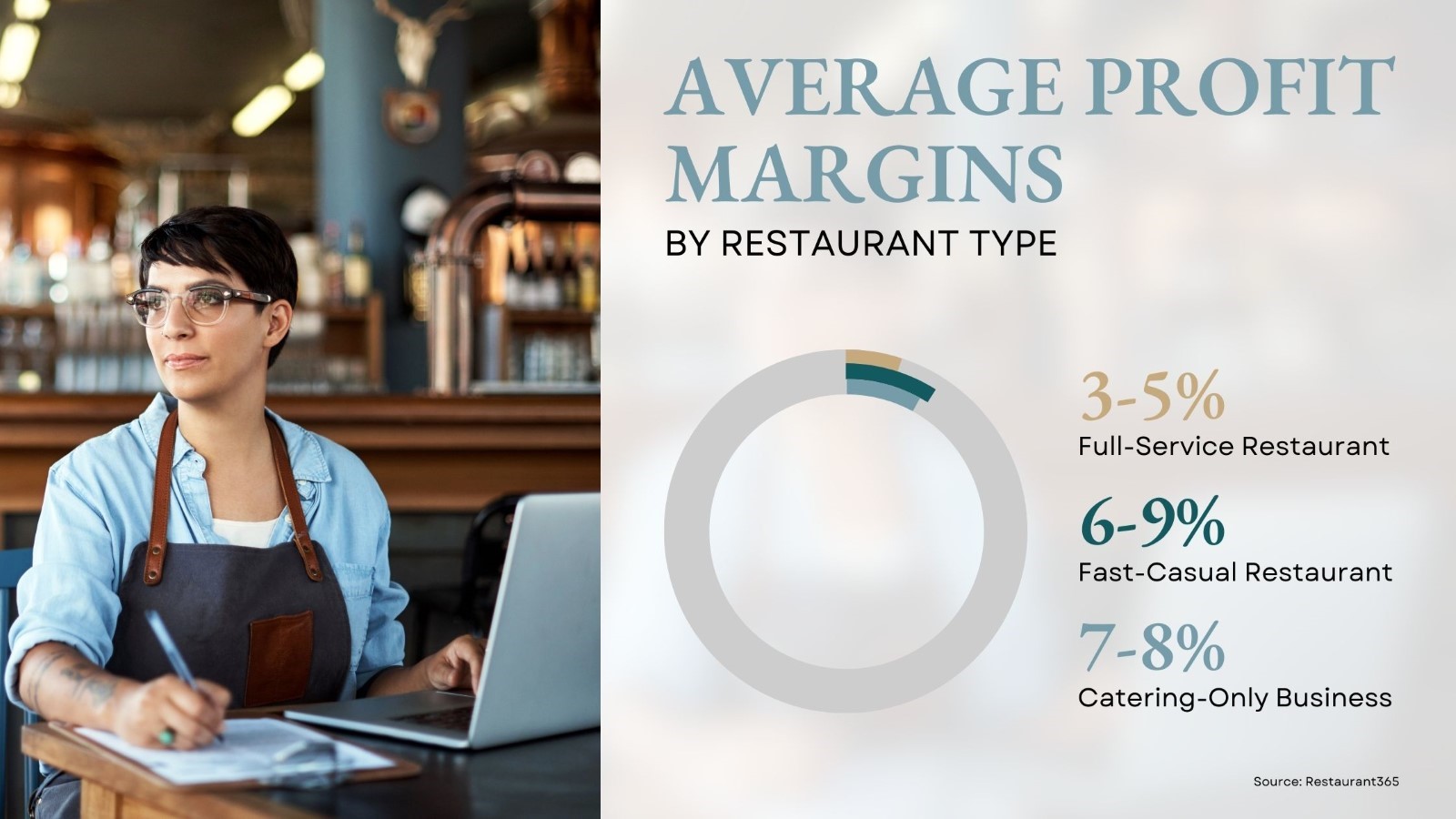
The restaurant industry is notoriously competitive with razor-thin margins. According to Restaurant365, the average restaurant profit margin typically ranges from 3-5% for full-service restaurants to 6-9% for fast-casual spots. This means that for each dollar a restaurant brings in, only a few cents translate into actual profit. Understanding this dynamic and pursuing strategies to improve profit margins is crucial to avoid merely surviving and instead help your restaurant prosper.
I’m Doug Gross, your dedicated advisor from MBE CPAs. It’s my mission to contribute to the growth and prosperity of our community’s dining establishments. After all, our local restaurants are so much more than just businesses – they’re where we come together to celebrate life’s milestones and enjoy the flavors of our hometown.
Drawing from extensive experience with numerous restaurateurs, I recognize that managing a restaurant involves overseeing countless details, from ingredient quality to the overall ambiance. Maintaining strong financial health, directly reflected in your profit margins, is central to orchestrating these elements successfully. Together, with a focus on partnership, we can address the complex issue of improving these margins. It’s important to remember that profitable operations vary significantly depending on factors such as location, concept, and operational performance. Let’s work together to increase your restaurant’s profitability.
To truly gauge the pulse of your business, benchmarks are your friends. They guide you by providing goals that are in line with industry standards. Here are a few measures you can start with:
While these numbers offer a general baseline, the nuances of your establishment’s goals and challenges must be considered. That’s where our personalized approach at MBE CPAs makes all the difference. Every restaurant has its own story, unique flavors, and individual needs.
Full-service restaurants (FSRs) are built on hospitality, atmosphere, and high-touch experiences. But behind the scenes, financial performance matters just as much as presentation and plating. Strong profitability in this space comes from managing costs carefully, paying attention to your numbers, and running the business with intention.

While a chef focuses on flavors, an operator needs to focus on what’s actually making money. A menu engineering matrix compares how popular a dish is with how much profit it brings in, helping you identify your best and poor performers.
You can plot and categorize your menu items into one of the four categories:
Dishes that bring in money but don’t sell might just need better promotion. Meanwhile, those that are popular but have low margins may need price updates or a recipe tweak. Regular menu reviews can help protect your profit margins.
Beverages, especially wine and cocktails, often have the highest margins in a full-service restaurant, but that doesn’t mean they’re guaranteed profit-makers. Without the right controls, profits can vanish through over-pouring, waste, or unrecorded sales.
To stay on top of it, track your pour costs (ideally 20–30%), use consistent recipes, and run inventory checks regularly. With clear reports and cost tracking, we can help restaurant owners monitor trends and make better decisions around pricing and inventory.
One of the challenges in full-serve operations is aligning labor schedules with fluctuating customer demand. To optimize labor costs, focus on forecasting and scheduling productively.
Here’s what helps:
Large inventories and complex menus can lead to unnecessary waste, from spoilage to prep mistakes. Cutting this down helps your bottom line and supports better kitchen practices.
Portion control, proper inventory rotation (FIFO), and repurposing unused ingredients creatively (soups, specials, etc.) can reduce food waste. Training kitchen staff on these practices pays off in terms of both lower costs and better sustainability practices.
Full-service restaurants benefit immensely from using data analytics to guide operational decisions. Understanding your store’s busy hours and slower periods helps with everything from staffing to stocking. By digging into sales data, you can better prepare for rushes and find new ways to fill quieter times. If weekends bring in the most business, staff up accordingly. For slower days, run limited-time promotions to draw more people in.
MBE CPAs make your data more useful by showing how your traffic trends line up with costs and revenue. Our KPI tracking tools give you visibility into what’s working and where improvements are needed. It’s about making smarter decisions, not just more reports.
In quick-service restaurants (QSRs), speed and consistency rule. While the customer interaction may be shorter, the financial considerations are no less complex. In fact, with tighter margins, staying on top of every cost matters more than ever.
Small cost overages add up quickly in fast food. Over-portioning, even slightly, can dramatically impact your food cost percentage. Controlling portions with pre-measured ingredients and working closely with suppliers to reduce costs through bulk purchasing and loyalty agreements are some tactics for maintaining predictable margins.
Fast-paced kitchens need the right number of people at the right time. Too many staff lead to unnecessary costs, while too few affect the service.
Helpful practices include:
MBE CPAs can help build labor cost tracking into your financial reports, so you can see exactly how labor compares to sales, helping you make better staffing decisions.
Digital tools are now transforming how quick-serve restaurants manage inventory and forecast demand. Inventory tracking software can make all the difference for QSRs. When tied into your POS, these tools help you forecast needs, avoid over-ordering, and reduce stock-outs.
Because margins are tight in quick-serve operations, vendor relationships matter. The key is leveraging your data to demonstrate your value as a buyer. If you show a history of high-volume purchasing, you can ask for better pricing, bulk discounts, or locked-in rates. Let MBE CPAs analyze your purchasing data and equip you for supplier negotiations that will save you money in the long run.
Having a great POS system can transform your restaurant. Combos and pricing bundles are a hallmark of quick-serve strategies and for good reason. By studying POS data, owners can identify which menu items sell best together, which items drive the highest margin, and which are underperforming. In-N-Out Burger’s marketing strategy offers a powerful example of how simplicity and data-aligned pricing can reinforce both customer loyalty and profitability.
A profitable restaurant requires a focus on increasing returns alongside enriching the guest experience. Here are the strategies summarized:
Having a local restaurant strategist by your side, someone who understands that every decimal point is part of a larger narrative, can be the secret ingredient to your establishment’s success. At MBE CPAs, we’re not just about numbers; we’re about nurturing the growth of our local restauranteurs.
Think of MBE CPAs as your financial sous chef quietly making sure everything runs smoother behind the scenes. With our Ultimate Restaurant Accounting Toolkit, you’ll have better reporting and industry-savvy advice at your fingertips.
Here’s to the dishes yet to be served and the awaited prosperity. For guidance designed to your business’s unique flavor, connect with us; we’re here to be part of your success story.